#1 Editor's Pick 2026
Vitamin D drops when UV exposure falls. Standard softgels barely move the needle. Liposomal D3 absorbs up to 4× better - these 3 brands actually deliver.
Affiliate disclosure: When you buy through links on this page we may earn a commission at no extra cost to you. Rankings reflect our editorial criteria, not payouts. Full disclosure →
Most Vitamin D capsules pass through your gut with minimal effect. Liposomal technology changes the delivery entirely.
Traditional Vitamin D3 softgels hinge on bile-salt emulsification, a bottleneck that grows brittle when luminal pH shifts, pancreatic output falls, mucosa is inflamed, or breakfasts carry minimal fat.
Liposomes behave as microscopic phospholipid envelopes that mimic brush-border lipid ordering, letting cholecalciferol dock with membranes while bypassing the slow emulsion stage that dominates plain oil caps.
| Variable | Standard D3 triglyceride softgel | Liposomal D3 vesicle |
|---|---|---|
| Modeled circulating fraction | Roughly one-fifth to one-third of swallowed dose survives entero-hepatic loss in published absorption models. | Editorial models align near roughly 85% to 95% liposomal uptake when particle integrity holds. |
| Meal fat requirement | Clinically sensitive to co-ingested long-chain fat and robust bile flow. | Retains efficiency on low-fat meals; modest fat still elevates chylomicron flux. |
| Inflamed or short-gut tolerance | Absorption variance widens with IBD, resection, or bile acid sequestrants. | Phospholipid fusion tolerates irritated mucosa better than oil-only payloads. |
| Kinetic caveat | Softgel peak serum 25(OH)D response can lag dense travel or shift-work schedules. | Lymphatic-associated routing often trims hours off time-to-plateau in crossover summaries. |
Phosphatidylcholine liposomes roughly 100 nm to 200 nm encapsulate D3 inside a dual bilayer that mirrors enterocyte lipids, buffering acid stress and limiting premature oxidation.
Liposomes integrate with enterocytes through endocytosis, skipping much of the aqueous diffusion limit that throttles legacy fat-soluble capsules.
Packaged D3 rides chylomicron pathways pre-formed, which shortens the interval to peak 25(OH)D rise versus plain oil vehicles in several pharmacokinetic comparisons.
Clinical anchor: Dałek et al. (2022), Nanomedicine, “Bioavailability by design - Vitamin D3 liposomal delivery vehicles,” reported that liposomal Vitamin D3 produced a rapid increase in plasma calcidiol versus a conventional oily formulation, underscoring designed lipid vehicles as a modulation axis for systemic exposure. View on PubMed →
Evaluated across 8 criteria: bioavailability, purity, D3+K2 ratio, third-party testing, price-per-dose, taste, stability, and user outcomes.
[TODO: 4.X★ · N reviews - as of May 2026]
$34.00
≈ $0.06 per drop · 600 servings
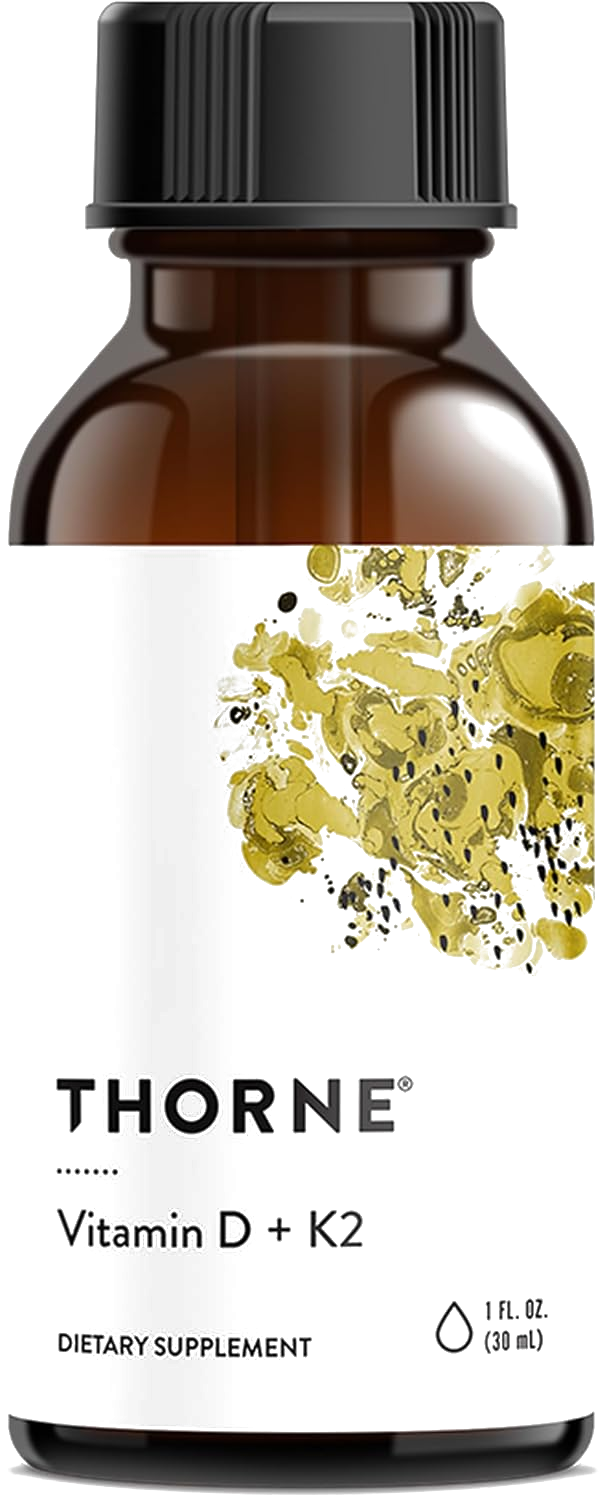
Both vitamin D and vitamin K2 in this gluten-free, unflavored liquid support bone and muscle health, cardiovascular health, and immune function. Vitamin D aids calcium absorption; vitamin K2 helps direct calcium to bones and away from soft tissues such as blood vessels and kidneys. A self-dispensing metered top delivers accurate individual drops of D3 and K2 together for greater combined support, in a 1 fl oz (30 ml) bottle with 600 servings. Third-party tested to verify label claims and contaminant safety.
| Metric | Benchmark |
|---|---|
| Cholecalciferol | 500 IU per metered drop (10 drops ≈ 5,000 IU) |
| Vitamin K2 | 100 mcg K2 co-delivered per drop |
| Vehicle description | Unflavored liquid with self-dispensing metered top; gluten-free |
| Quality transparency | Third-party tested; Thorne trusted by 100+ pro sports teams and U.S. National Teams |
| Retail economics | USD ~34.00 bottle (~USD 0.06 per drop at 600 servings) |
| Editor composite score | 9.6 out of 10 |
Pros
Cons
[TODO: 4.X★ · N reviews - as of May 2026]
$21.99
≈ $0.06 per day
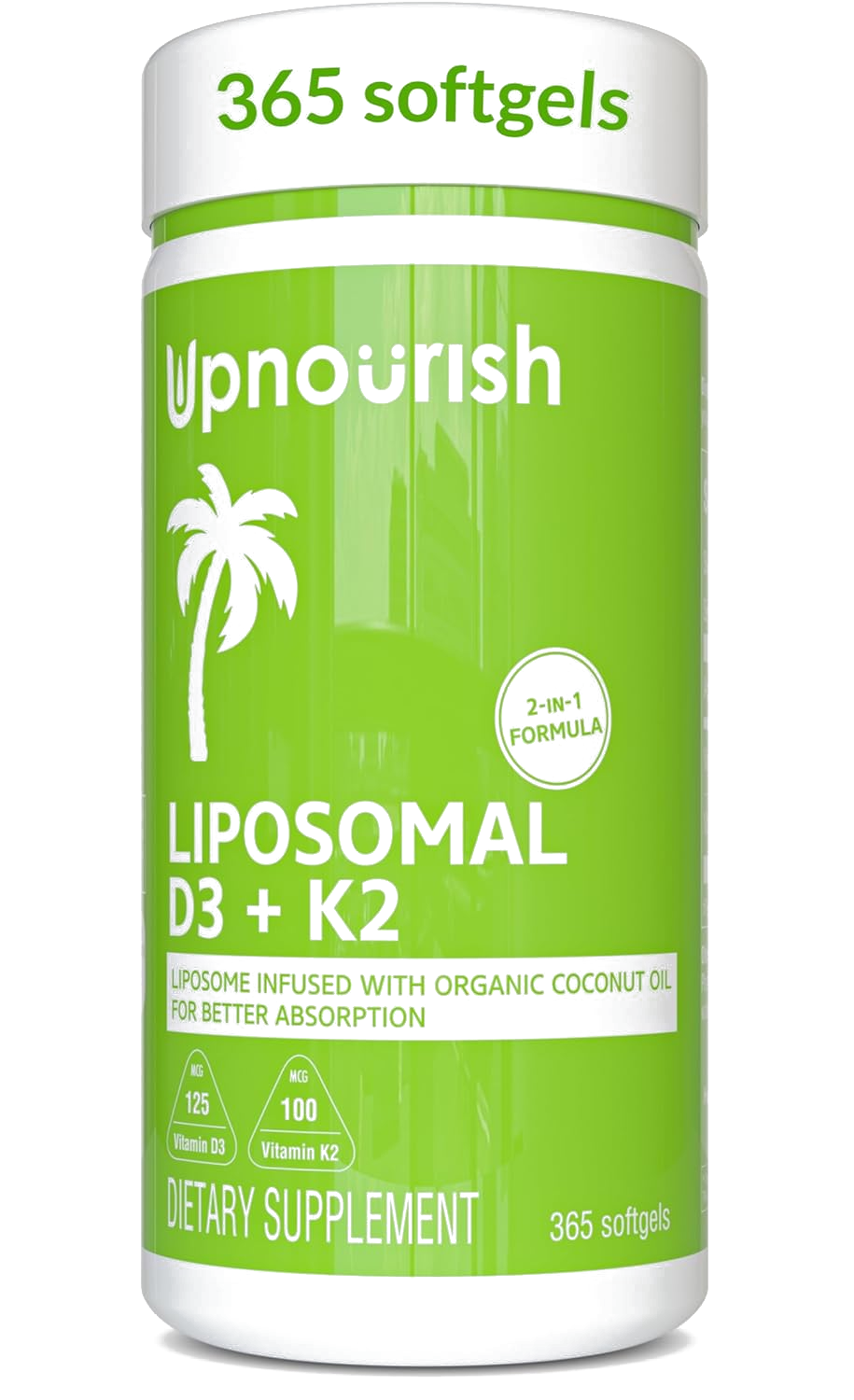
Each serving provides 5,000 IU of vitamin D3 (125 mcg) and 100 mcg of K2 as MK-7, with organic coconut oil in a liposomal formula designed for superior nutrient absorption and bioavailability. Vitamin D3 supports calcium absorption; K2 MK-7 helps ensure calcium is utilized for strong bones, teeth, and skeletal health. Non-GMO and gluten-free, recommended by pharmacy professionals, 365 mini softgels support bone, immune, joint, and heart health.
| Metric | Benchmark |
|---|---|
| Cholecalciferol | 5,000 IU per labelled mini softgel |
| Vitamin K2 (MK-7) | 100 mcg MK-7 |
| Vehicle description | Liposomal mini softgel with organic coconut oil; 365-count supply |
| Program testing | Non-GMO, gluten-free; trusted brand per pharmacy professionals |
| Retail economics | USD ~21.99 bottle (~USD 0.06 modeled day over 365 servings) |
| Editor composite score | 8.9 out of 10 |
Pros
Cons
[TODO: 4.X★ · N reviews - as of May 2026]
$55.00
≈ $0.55 per pump
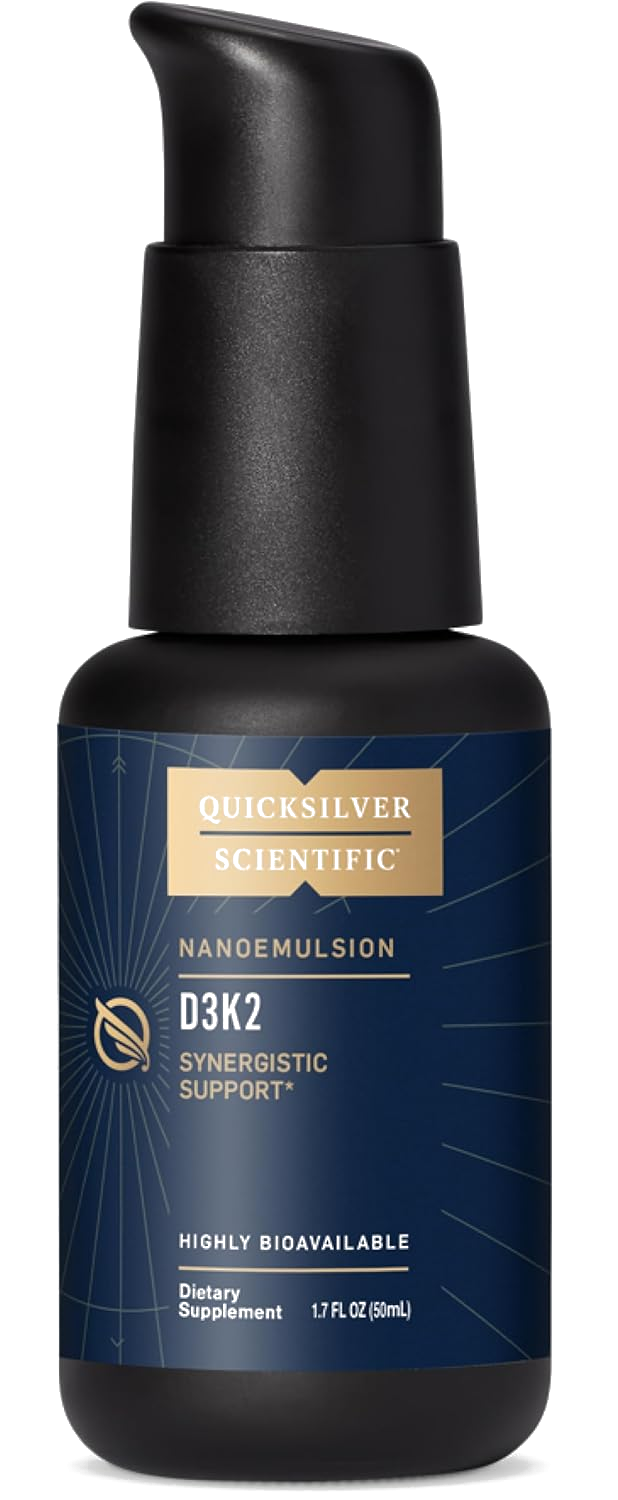
Because vitamin D absorption can be impacted by diet, lifestyle, age, health, and genetic variation, this nanoemulsified liposomal formula was developed to keep both fat-soluble vitamins highly absorbable. Vitamin K2 as MK-7 assists vitamin D in keeping bones strong. Each pump (0.5 mL) delivers 2,500 IU of vitamin D3 and 90 mcg of vitamin K2; the 1.7 oz (50 ml) bottle contains 100 servings. Small liposomes begin absorbing as soon as they hit the mouth; made with phosphatidylcholine from purified sunflower seed lecithin and is gluten-free.
| Metric | Benchmark |
|---|---|
| Delivered cholecalciferol | 2,500 IU D3 per pump (0.5 mL serving) |
| Vitamin K2 (MK-7) | 90 mcg MK-7 per pump |
| Vehicle description | Nanoemulsified liposomal liquid; sunflower lecithin; gluten-free |
| Servings per bottle | 100 pump servings (1.7 oz / 50 ml) |
| Retail economics | USD ~55.00 bottle (~USD 0.55 per pump serving) |
| Editor composite score | 8.7 out of 10 |
Pros
Cons
| Product | D3 Dose | K2 Form | Format | 3rd-Party | $/Day | Score |
|---|---|---|---|---|---|---|
| Thorne D3 + K2 Liquid Best for: A clean, near-tasteless liquid Praised for its clean, K2-paired liquid and precise dropper dosing; the main gripe is that the dropper runs slow. [TODO: 4.X★ · N reviews - as of May 2026] | 500 IU/drop | K2 (100 mcg/drop) | Metered liquid | ✅ NSF facilities | ~$0.06/drop | 9.6/10 |
| UpNourish Liposomal D3 K2 Best for: Best value, 365-count year supply A clean, US-made liposomal softgel pairing D3 + K2 in one easy-to-swallow capsule; strong value at 365 count, with a premium price as the main trade-off. [TODO: 4.X★ · N reviews - as of May 2026] | 5,000 IU | MK-7 (100 mcg) | Liposomal mini gel | ✅ 3rd-party | $0.06 | 8.9/10 |
| Quicksilver Nano D3K2 Best for: Fast, practitioner-grade sublingual absorption A practitioner-recommended nanoemulsified liquid with fast sublingual absorption and zero sugar; the polarizing strong citrus flavor and premium price are the trade-offs. [TODO: 4.X★ · N reviews - as of May 2026] | 2,500 IU/pump | MK-7 (90 mcg) | Nanoemulsion (100 pumps) | ✅ Gluten-free | $0.55 | 8.7/10 |
Not all bodies respond to Vitamin D the same way. Your Vitamin D Receptor (VDR) gene variants determine how much you need - and how well you use it.
The Vitamin D Receptor (VDR) gene encodes the nuclear receptor protein that binds activated Vitamin D (calcitriol) and triggers downstream genomic responses - regulating over 900 genes involved in immune function, inflammation, calcium metabolism, and mood.
Common VDR single nucleotide polymorphisms (SNPs) including TaqI (rs731236), BsmI (rs1544410), and FokI (rs2228570) significantly alter receptor sensitivity. The same blood level of 25(OH)D can have vastly different cellular effects depending on your genetics.
If you already have a consumer genomics raw file (23andMe, AncestryDNA, or similar), you can screen VDR-relevant SNPs through the lightweight analysis tool at helioscript.bio. Outputs support protocol conversations with your clinician; they replace neither lab 25(OH)D nor medical advice.
~40% of the population · Wild-Type VDR
Normal VDR function. Standard liposomal dosing produces excellent results. Serum levels respond predictably to supplementation.
Protocol
~45% of the population · VDR Variant
Variants lower VDR transactivation potency, so circulating 25(OH)D must climb higher before immune-related gene programs fire at wild-type amplitudes.
Protocol
~15% of the population · Compound Polymorphism
Significantly impaired VDR signaling. Serum levels appear "normal" but cellular immune activation is severely blunted. Often chronically ill year-round.
Protocol (Supervised)
Aligns with cortisol rhythms for enhanced immune activation. Avoid evenings.
Even liposomal D3 gets a small uptake boost when taken with eggs, avocado, or nuts.
Mg is a critical cofactor for D3 hydroxylation in the liver and kidneys. 400 mg glycinate nightly.
A 25(OH)D blood test costs ~$40. It's the only accurate way to know if supplementation is working.
Vitamin D can suppress melatonin in sensitive individuals. Take before noon for best sleep outcomes.
Long-form articles on absorption, dosing, labs, and timing. Track results on NutrientGaps.com.
Evidence-based answers to the most common Vitamin D questions.
Liposomal Vitamin D traps cholecalciferol inside phospholipid vesicles that mimic intestinal membrane lipid architecture. Vesicles blunt gastric oxidation, lessen bile-dependent micelle variability, and in pharmacokinetic comparisons frequently achieve higher serum 25(OH)D increments than gelatin oil softgels at matched oral doses when UVB exposure is low exposure.
Unsupervised adult maintenance commonly spans 2,000 IU to 5,000 IU daily across mid-latitude winters; darker skin phenotype, adiposity-linked sequestration, or malabsorption can expand requirements only when a clinician aligns labs. Draw 25(OH)D prior to escalation, reconcile values with roughly 50 ng/mL to 80 ng/mL adequacy corridors when medically appropriate, and repeat near ninety supplementation days.
Supplement D3 with Vitamin K2, prioritizing MK-7 for multiday circulating pools versus abbreviated MK-4 clearance. Reference stacks cite roughly 100 mcg to 200 mcg MK-7 beside near 5,000 IU D3; prescribing clinicians still personalize every increment.
Administer liposomal Vitamin D alongside breakfast lipids. Liposomes lessen fat dependency versus legacy softgels, yet modest dietary lipid still recruits chylomicron shuttles. Sensitive sleepers defer evening servings because supplemental cholecalciferol occasionally perturbs melatonergic signalling.
Dose escalation beyond monitored ranges fuels hypercalcemia and hypercalciuria even with lipid-encapsulated vehicles. Maintain conservative titration ladders, redraw 25(OH)D every three to six months during dose changes, and coordinate care prior to megadosing when sarcoidosis, primary hyperparathyroidism, or granulomatous disease is suspected.
One pager distilled from outpatient metabolic clinicians: genotype-weighted D3 ladders, Mg-K2 synergy blocks, predictable ninety-day redraw slots.
Zero spam. Unsubscribe any time. Your email is never shared or sold.
You’re in, your cheatsheet is ready.
Open the printable cheatsheet in a new tab. Use ⌘P / Ctrl+P, then "Save as PDF", if you want an offline file.
Get your cheat sheet →